

For many dog owners, playing is a natural part of everyday life. It should be fun, provide mental and physical stimulation, and strengthen the bond. But what happens when the exact opposite occurs?
If the dog gets increasingly over-excited during play, hardly responds, and struggles to calm down afterwards, it's worth taking a closer look. Because not every play behavior is automatically healthy or beneficial.
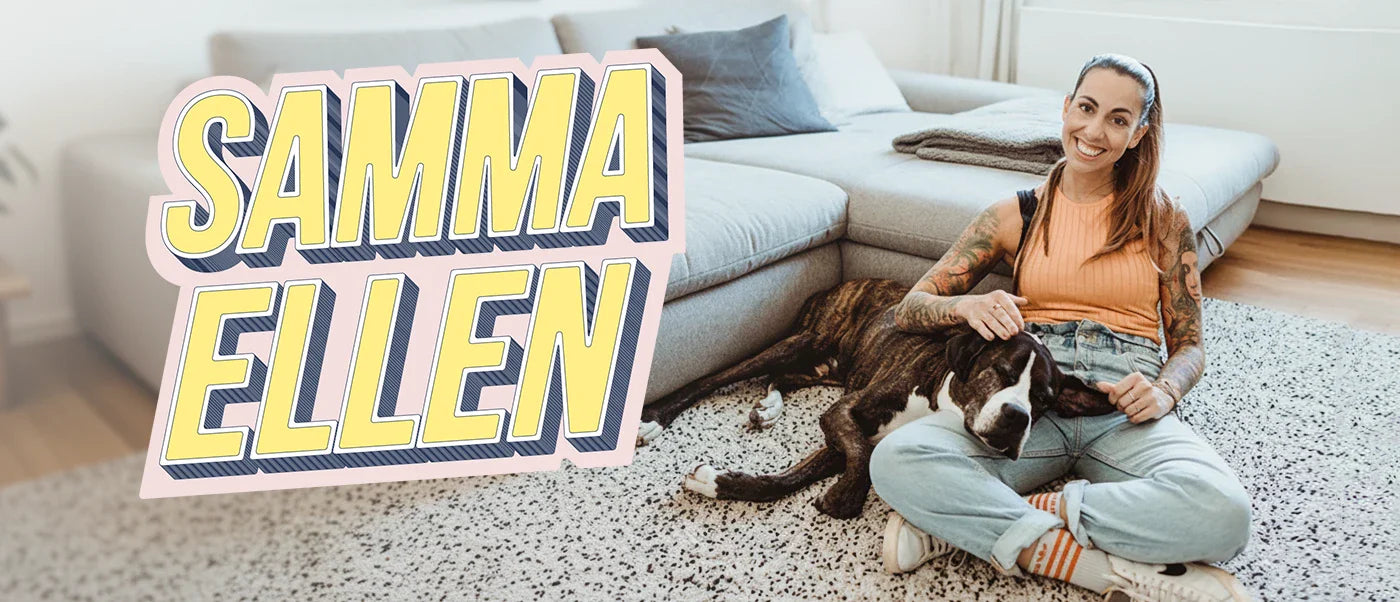
Dog trainer Ellen Marques, owner of the Martin Rütter dog school in Cologne and known from TV formats such as "Der Hundeprofi" (The Dog Professional) and "Die Unvermittelbaren" (The Unadoptables), experiences such cases repeatedly in her daily work.
When play is no longer relaxing
"If a dog gets highly excited during play or struggles to stop, play often activates stress rather than the actual enjoyment systems," explains Ellen Marques.
Many dog owners initially interpret wild, intense behavior as joy. However, high activity does not automatically mean that the dog is in a healthy emotional state.
On the contrary: Over-excited behavior can be an indication that the dog is highly tense internally.
Typical signs of overstimulation during play
Whether a dog is overstimulated during play is often quite clear from its behavior.
The most common signs include:
- Nipping or biting hands or clothing
- Jumping up at people
- Lack of responsiveness
- Sudden acting out or displacement behavior
- Difficulty ending play
- Lack of calmness after activity
"Some dogs get so excited that they nip, bite, or jump up at people," describes Ellen Marques.
At the latest then, the play behavior should be reconsidered.
Why some dogs "escalate" during play
Not every dog reacts the same way to play stimuli. Especially dogs with high arousal levels or low impulse control tend to "rev up" very quickly.
Several factors play a role in this:
- Genetic predisposition
- Previous learning experiences
- Lack of structure in play
- Consistently over-intense play offerings
If a dog repeatedly enters a state of maximum excitement, it primarily learns one thing: to react faster and more intensely.
The actual goal of play – positive interaction and meaningful mental and physical stimulation – recedes into the background.
Using play as a training tool
The good news is: this behavior can be deliberately influenced.
"You can use toys very effectively to build impulse control," explains Ellen Marques.
Instead of letting play simply happen, it is consciously structured and controlled.
One possible approach is the clear division of activity and control.
Ellen Marques describes it this way:
A large part of the training consists of waiting, enduring, and control, while only a smaller part actually consists of intense play action.
Or, to paraphrase:
"70 to 80 percent calm and control – and 20 to 30 percent real play action."
This structure helps the dog to better regulate its excitement and not constantly tip into extreme states.
Calmer play alternatives as key
In addition to classic action with a ball or tug-of-war, it's worth consciously incorporating calmer play variants.
These include:
- Search games
- Controlled interactions
- Calm engagement with toys
- Structured training sequences
These forms of engagement challenge the dog in a different way and help it to regulate itself better.
"You can also specifically use calm games and search games," says Ellen Marques.
Especially for dogs that get over-excited quickly, this is often a crucial factor.
Conclusion: Play needs structure
Play is important – but not every game is automatically beneficial.
If dogs regularly get over-excited during play, struggle to calm down, or show problematic behavior, it's worth taking a closer look.
The most important insight from Ellen Marques' practice:
Play should not just happen, but be consciously designed.
With clear rules, targeted use, and a focus on impulse control, play can once again become what it should be:
a positive, bonding, and meaningful activity in everyday life with the dog.
Because in the end, it's not about how wild a game is – but how well the dog can handle it.


