

BUDDY. Dog Toys - The Guide
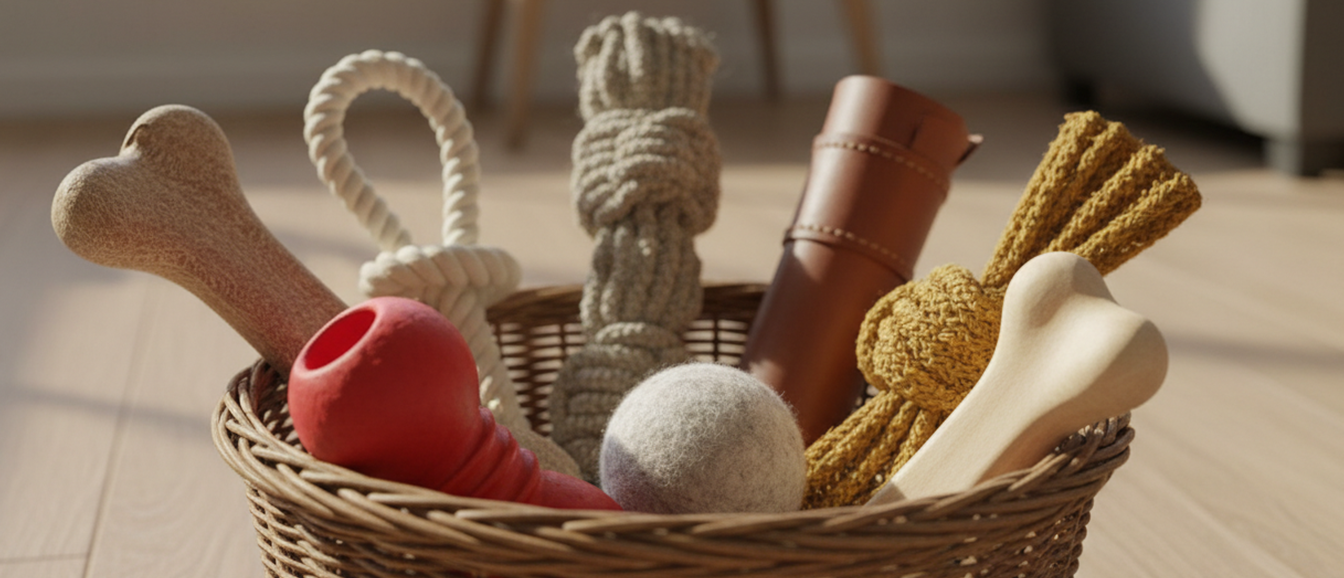

Chemicals in Dog Toys – How to Be Safe
Dog toys provide fun and engagement but can also harbor invisible risks. Many products contain chemicals that can be harmful in the long run. Even with well-known brands, there's no guarantee that everything is safe: studies show that more than 40% of dog toys contain potentially dangerous substances. In this article, we explain which chemicals are problematic, how to identify them, and what to look for when buying. We also take a look at sustainability, as more and more dog owners value durable, eco-friendly toys. 1. What's in Dog Toys? Dog toys are often made of rubber, silicone, plastic, fabric, or wood. Not all materials are equally suitable for dogs. Pay attention to workmanship, freedom from harmful substances, and certifications to protect your furry friend's health. Materials and their Pros and Cons Rubber or Silicone: High-quality, non-toxic rubber is durable and flexible. Natural rubber or latex is particularly robust. Cheap rubber products can contain problematic chemicals. Plastic: Some plastics contain BPA or phthalates, which are health concerns. Look for toxin-free alternatives. Fabric: Plush toys are soft and cuddly, but stuffing materials and small squeakers can pose risks. Tested materials free of harmful substances are important here. Wood: Untreated wood is safe; painted wood can contain problematic chemicals. FSC certification is a good quality indicator. 2. Harmful Chemicals in Dog Toys Problematic substances commonly found: AZO Dyes: Suspected of being carcinogenic. Phthalates: Plasticizers, hormonally active, and potentially harmful. BPA: Disrupts the endocrine system. Heavy Metals: Lead and cadmium can cause neurological damage. Formaldehyde: Can irritate the respiratory tract and be carcinogenic. DEHP: Another plasticizer with reproductive toxicity. Nitrosamines: Can damage the liver, kidneys, and genetic material. PAHs: Polycyclic aromatic hydrocarbons, carcinogenic. Health Effects Phthalates and BPA can cause hormonal imbalances. Heavy metals damage the nervous system and organs, and formaldehyde irritates the respiratory tract. Even tested brands can contain such substances. Caution and critical examination are important. Tip: Stiftung Warentest regularly tests dog toys and can provide guidance. 3. Laws and Regulations In Germany, the Product Safety Act regulates the safety of pet products. Manufacturers must avoid substances harmful to health. Nevertheless, inferior products also enter Germany because these regulations can be circumvented if ordered from abroad. Also, regulations for manufacturers are less strict in other countries, such as the USA. 4. Signs of Problematic Toys What to Look for When Buying Smell: A strong chemical odor indicates problematic substances. Material: Only use safely tested, non-toxic materials. Plastics should be avoided as much as possible. Certificates: Check for harmful substance tests and safety certificates, such as CE, TÜV, etc. Test Reports: Reviews and independent tests provide additional assurance. 5. How to Protect Your Dog Recommended Materials and Brands Natural Rubber: Robust, durable, and non-toxic. Cotton / Hemp / Jute: Prefer for fabric toys (no microplastics). Wool Felt: Sustainable, natural, and popular due to its smell. Wood: Unpainted and FSC-certified. Organic Plastic: Food-grade, e.g., from wood-plastic blends. DIY Toys from Non-Toxic Materials Knot Rope: Turn old T-shirts or towels into knots – simple, safe, and durable. Paper Ball: Crumple an empty paper bag, hide treats – rustles, is fun, and contains no chemicals. Plush Bone: Sew from old socks and stuff with soft material – personalized, safe toy. 6. Conclusion Dog toys can contain chemicals that pose health risks. With watchful eyes and tested materials, you protect your four-legged friend. Sustainability and creativity in toy selection provide a safe foundation. With this information, you can offer your dog safe, healthy, and sustainable toys. This way, playtime remains carefree and fun! Answers to Frequently Asked Questions Which chemicals are common in dog toys? Phthalates, BPA, heavy metals, formaldehyde, DEHP, nitrosamines, PAHs. How do I identify toxic toys? Smell, material, certificates, test reports. Are all rubber toys dangerous? No, only cheap, uncertified products. High-quality natural rubber variants are safe. Can I make toys myself? Yes, e.g., knot ropes, paper balls, plush bones from non-toxic materials. Are organic dog toys safer? Yes, if they are made from tested, natural materials. How do tests help with safety? Independent tests reveal problematic chemicals; tested products offer protection. How to avoid allergies? Use toxin-free materials. How often should toys be replaced? Regularly, especially with wear and tear or damage. What makes a good dog toy? Robust, durable, non-toxic, made from natural materials, suitable for chewing instincts, and safe.
Learn more
What to Do if Your Dog Swallows a Toy
Has your dog just swallowed something? Then go to the vet immediately, the article can wait! When a dog swallows something, it can quickly become dangerous. Whether it's toys, chew articles, or other objects – swallowed foreign bodies can block the dog's digestive tract and, in the worst case, be life-threatening. In many cases, an immediate visit to the vet is necessary. Dangers to dogs from swallowed foreign bodies Dog toys and other small objects can have sharp edges or get stuck in the gastrointestinal tract. This leads to injuries to the esophagus, stomach, or intestines. Foreign bodies that block the digestive tract and can cause an intestinal obstruction are particularly dangerous. In some cases, internal injuries, intestinal injuries, or even tissue necrosis can occur if the foreign body is not removed and the dog is not treated. Signs that your dog has swallowed a foreign body Observe your dog carefully. Typical warning signs include: Vomiting or gagging Shortness of breath or wheezing, especially if objects are stuck in the throat area Restlessness, lethargy, or severe pain Loss of appetite and unusual eating behavior Excessive drooling or frequent licking Swelling or blockages in the abdominal area First aid if your dog has swallowed something If the dog swallows a foreign body, the rule is: stay calm, reassure the dog, and contact the vet. Never try to administer an emetic yourself, as this can be dangerous. Observe the dog closely, especially for signs of breathing problems or pain in the digestive tract. In many cases, the foreign body must be surgically removed, sometimes under anesthesia. When a visit to the vet is absolutely necessary Seek a vet or animal clinic immediately if you are unsure. In any case, if the dog has difficulty breathing or is gagging it is vomiting repeatedly severe abdominal pain occurs an intestinal obstruction is suspected unclear symptoms of poisoning or internal injuries are possible Prevention: Choosing safe dog toys To prevent your dog from swallowing objects, you should choose high-quality, robust toys. Pay attention to: The right size of the dog toy – small enough for the dog, but not too small to be swallowed Robust and durable materials No small detachable parts or sharp edges Regular inspection and cleaning of the dog toy Suitable toys for puppies and young dogs who like to chew Short-fiber filling material Soft parts that can be excreted again if necessary Conclusion A dog swallowing a foreign body can happen at any time, and quick action should be taken. Dog owners should be attentive, choose suitable dog toys, and observe their dog while playing. In an emergency, the vet is the most important point of contact to avoid life-threatening situations. Prevention and quick reaction protect your four-legged friend from serious harm and ensure that playing remains safe and fun. Frequently asked questions about swallowed foreign bodies in dogs Which objects are dangerous? All small or sharp parts, e.g., from chew articles, toys that are too small, or children's toys. What to do if my dog swallows a foreign body? Calm the dog, observe symptoms, and report to the vet immediately. How do I know if the dog has swallowed something? Shortness of breath, vomiting, abdominal pain, loss of appetite, restlessness. Can foreign bodies be life-threatening? Yes, they can block the gastrointestinal tract or cause internal injuries. How can swallowing be prevented? Choose robust dog toys, adapt size to the dog, check regularly. What to do in case of intestinal obstruction? Seek a vet immediately – the foreign body can block the intestine and is life-threatening. Can a dog excrete the foreign body naturally? Small and soft objects can often be excreted naturally. Which toys are safe for puppies? Soft toys, made of wool or natural rubber variants that match the puppy's size, age, and chewing behavior.
Learn more
Sustainable Dog Toys: Healthy and Natural Toys for Dogs
Dog toys should not only be fun, but also safe and ethically produced. Many products on the market contain harmful substances or inferior materials that can harm your dog. Sustainable dog toys made from high-quality natural materials protect your dog's health and are also environmentally friendly. With the right choice, your four-legged friend can play, chew, and romp around without a care in the world. Why eco-friendly dog toys make sense for dogs Dogs love to play, but many conventional toys contain toxic substances or inferior materials that can, for example, irritate mucous membranes or cause long-term health problems. Puppies are particularly sensitive – their chewing behavior can cause extreme stress. Sustainable dog toys made from natural materials such as leather, cotton, natural rubber, jute, or hemp are robust, species-appropriate, and usually harmless. This way, you can do something for your dog's health and protect the environment. By consciously choosing dog toys, you also help to reduce the amount of harmful substances released into production and the environment. Eco-friendly dog toys can be used multiple times and are more durable than many cheap products that break quickly. The problems with conventional dog toys Many dog toys on the market are produced without strict controls and often contain plasticizers, dyes, or other toxic substances. These substances can enter your dog's body when chewed and cause long-term damage – from dental problems to serious illnesses. Studies show that harmful substances in dog toys are not an isolated case. Even branded products can contain traces of problematic substances. That's why it's worth taking a close look when making your choice.Tip: Stiftung Warentest (German consumer organization) regularly tests dog toys and can provide guidance. The better choice: Sustainable dog toys Sustainable dog toys made from high-quality natural materials contain no toxic substances, are robust enough for active dogs, and can be used for various activities such as retrieving or tugging. You can now find a wide selection of toys suitable for both puppies and adult dogs. Recommended materials for dog toys Cotton: Soft, ideal for stuffed animals or tug ropes. Organic cotton is grown without pesticides. Wool: Natural sheep's wool can be felted into a variety of toys and smells pleasantly natural for a dog's nose. Leather: Robust, but only recommended if made from leather scraps and independently tested. Hemp and Jute: Robust and biodegradable. Ideal for tugging and retrieving games. Natural Rubber: Perfect for chewers, durable, and non-toxic. Especially suitable for balls or other robust toys. FSC-certified wood: From sustainable forestry, ideal for puzzle toys and enrichment games. How to recognize sustainable dog toys If you want to buy dog toys online or from a specialist retailer, you should pay attention to the following criteria: Certificates: OEKO-TEX 100, GOTS, or FSC are good indicators of pollutant-free, fair production. Smell test: Chemical odors indicate inferior materials. Manufacturer information: Reliable information on material, manufacturing, and sustainability helps with selection. Water test: Place a dog toy in warm water – cloudy water can indicate the leakage of harmful substances. Note: Not all manufacturers have certifications, but are still recommendable. Certificates often make toys unnecessarily more expensive, which is why many manufacturers do without them. Tips for choosing the right dog toy Consider size: The toy should fit your dog's size and strength - preferably too large rather than too small! Chew toys for strong chewers: Natural rubber, wood, or pressed wool are robust and durable. Promote intelligence: Mental stimulation is at least as important as physical activity. Soft plush toys: Wool or cotton is ideal for puppies, seniors, or dogs who play more gently. Conclusion: Sustainable dog toys are the better choice With natural and sustainable dog toys, you protect your dog's health, promote species-appropriate play, and do something good for the environment at the same time. Even if the purchase is a little more expensive, it is worth it in the long run: your dog will feel the difference. Robust material, safe processing, healthy play, and lots of fun – for puppies, chewers, and all buddies in between.
Learn more